
 Advanced Portal Reports for JSM
The Complete Guide to Self-Service in ITSM(And the Missing Last Mile)
Think your ITSM self-service strategy is working? It probably isn't—and not for the reasons you think. While most IT teams focus on deflection tools like chatbots and knowledge bases, the real failure happens after a request is submitted.
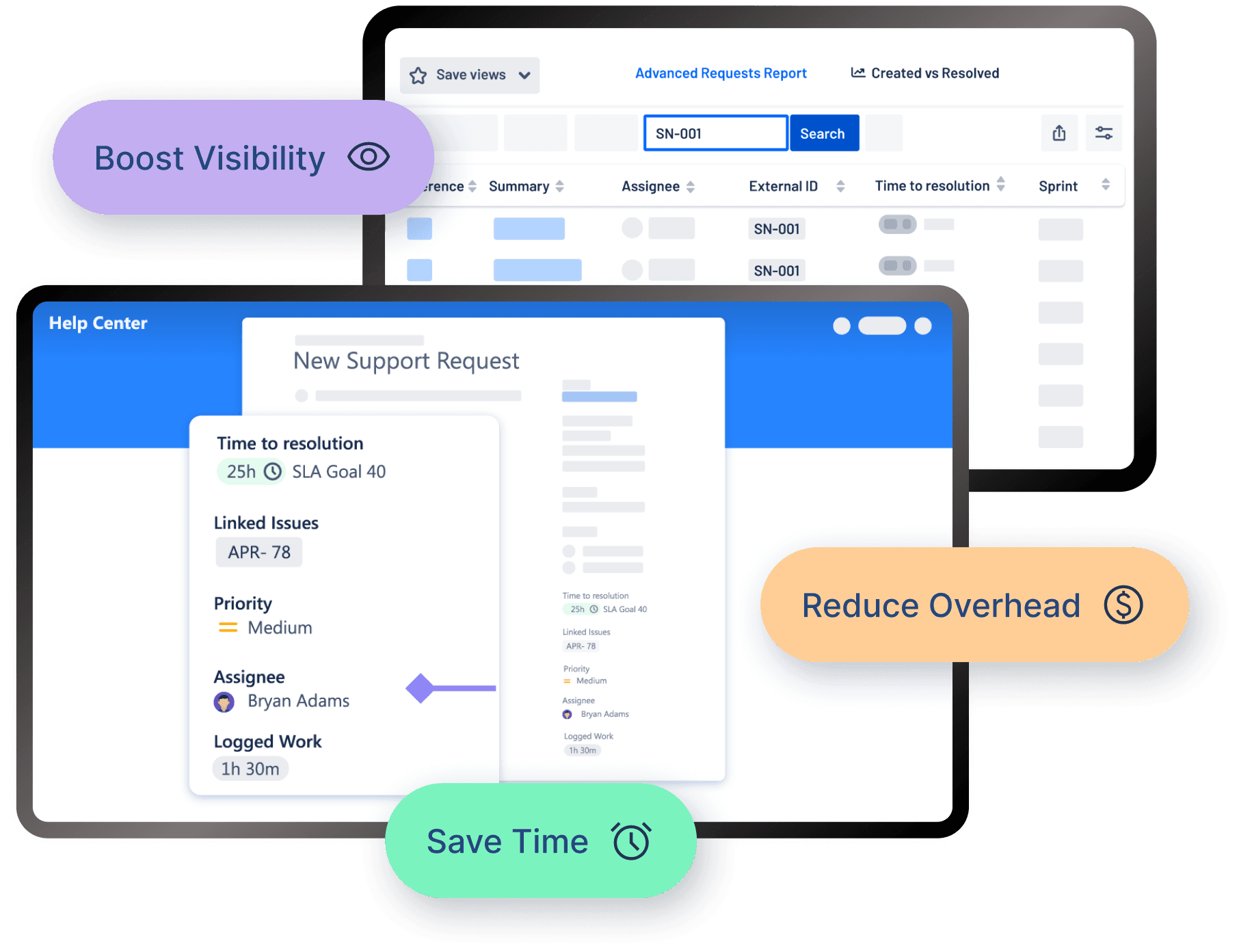
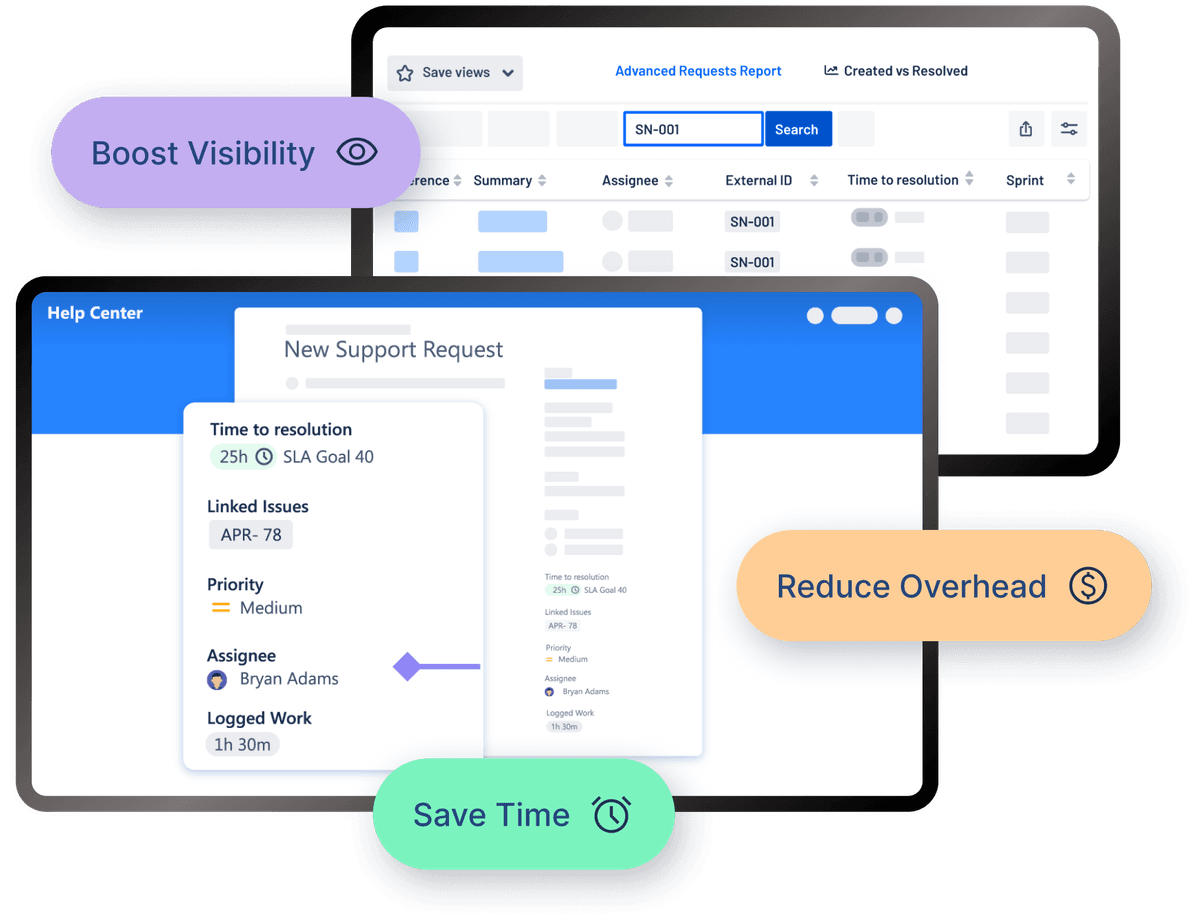
Portal users can see basic status updates but lack access to the rich operational data they need for effective self-service: detailed SLA metrics, custom field values, comprehensive filtering across requests, and exportable reports for team oversight.
Without this deeper layer of visibility, teams still rely on agents for reporting, tracking, and detailed insights; which defeats the efficiency gains self-service should deliver.
This is the "missing last mile" of self-service. In this guide, we'll explore why comprehensive resolution transparency is critical and how to close the gap for good.
Chapter 1
Self-Service Isn't Failing Because of Your Chatbot
Your Jira Service Management (JSM) portal deflects cases effectively. Chatbots answer routine questions. Knowledge bases resolve common issues before they become tickets. So why are your agents still drowning in reporting requests and detailed status inquiries?

Here's the uncomfortable truth: your self-service strategy stops working post-submission where portal users can access basic ticket status information but lack the rich operational data needed for effective self-service.
While JSM shows basic details like status and assignee, portal users still can't access detailed SLA metrics with time remaining, custom field values, advanced filtering across multiple requests, or exportable reports for team oversight.
On the other hand, agents (aka those with full Jira licenses) have complete access to all ticket data, custom fields, and reporting capabilities. Portal users operate with limited visibility on operational data that drives real transparency and accountability.
When portal users can't generate detailed reports or track comprehensive metrics independently, they default to requesting this information from agents. This creates exactly the dependency self-service was designed to eliminate.
This "last-mile gap" between basic status visibility and comprehensive operational transparency is where self-service actually fails. Not at the chatbot level. The failure occurs when organizations assume basic deflection equals complete self-service, when portal users actually need rich data access for true independence.
Chapter 2
The Warning Signs: How to Spot the Missing Last Mile in Your Organization
These warning signs indicate that while your deflection strategy works, your comprehensive data transparency strategy doesn't exist, creating the classic "last-mile" gap.
If these patterns sound familiar, you're experiencing the missing last mile problem. Your deflection tools work perfectly, but your comprehensive data transparency tools don't exist.
Chapter 3
Why the Last Mile Gap Is Costing You More Than You Think
Ignoring comprehensive data transparency creates measurable business impacts that compound over time. The hidden costs extend far beyond frustrated users.
Chapter 4
What's Needed for Complete Self-Service Transparency
Modern organizations using JSM need more than basic deflection tools. They require comprehensive operational data access that serves different team roles and business scenarios.
Here are the important capabilities your JSM portal should have so that it's completely self-service:

JSM provides the foundation, but teams need enhanced operational data transparency using apps like Advanced Portal Reports to transform their service desk from a basic ticketing system into a comprehensive self-service reporting platform that serves both internal operations and external client relationships.
Chapter 5
Advanced Portal Reports: Closing Your Last Mile Gap
Now, let's see how Advanced Portal Reports can specifically address the missing last-mile in your JSM portal, delivering comprehensive data access at individual, team, and business levels.
Last Mile Bridge #1
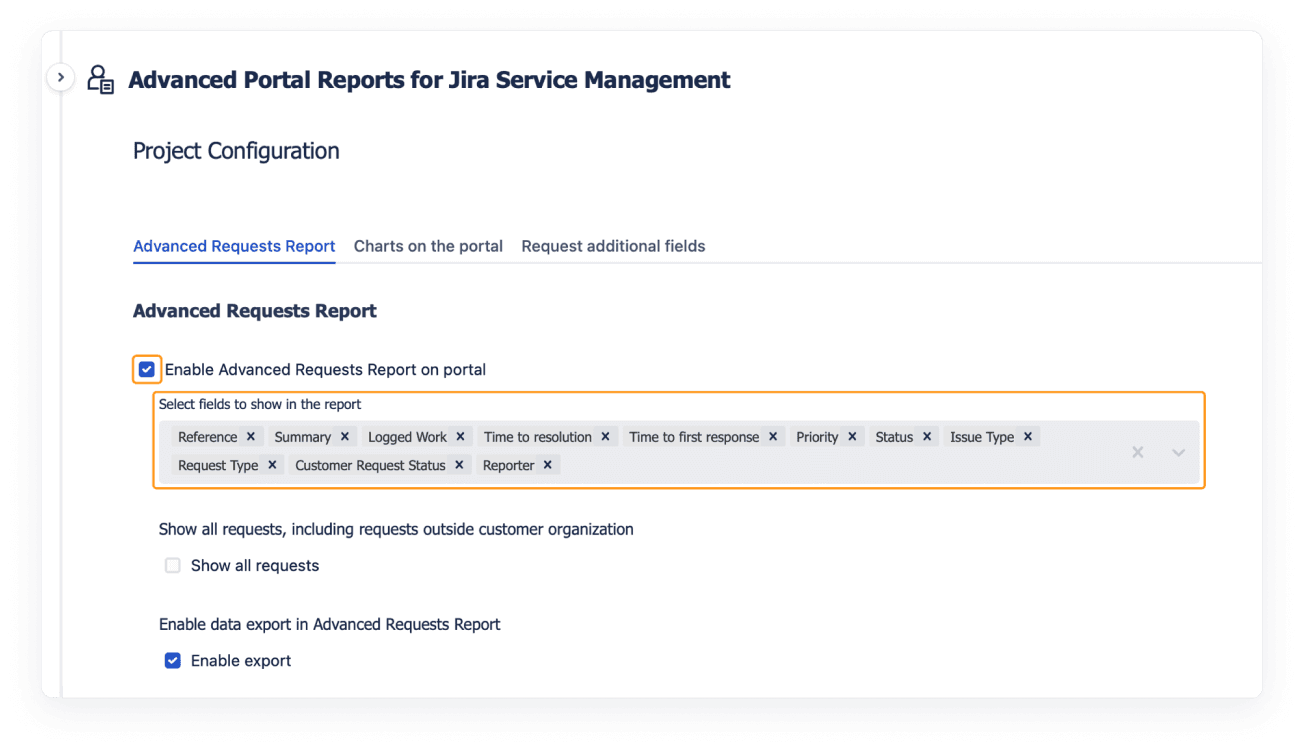
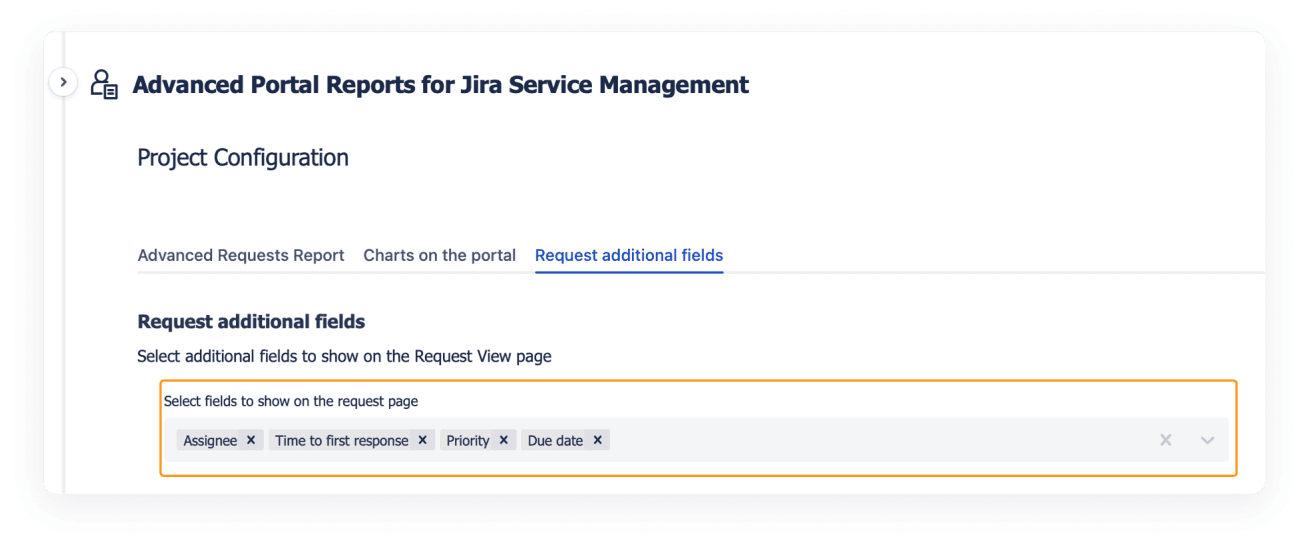
Administrative Control
Last Mile Bridge #2
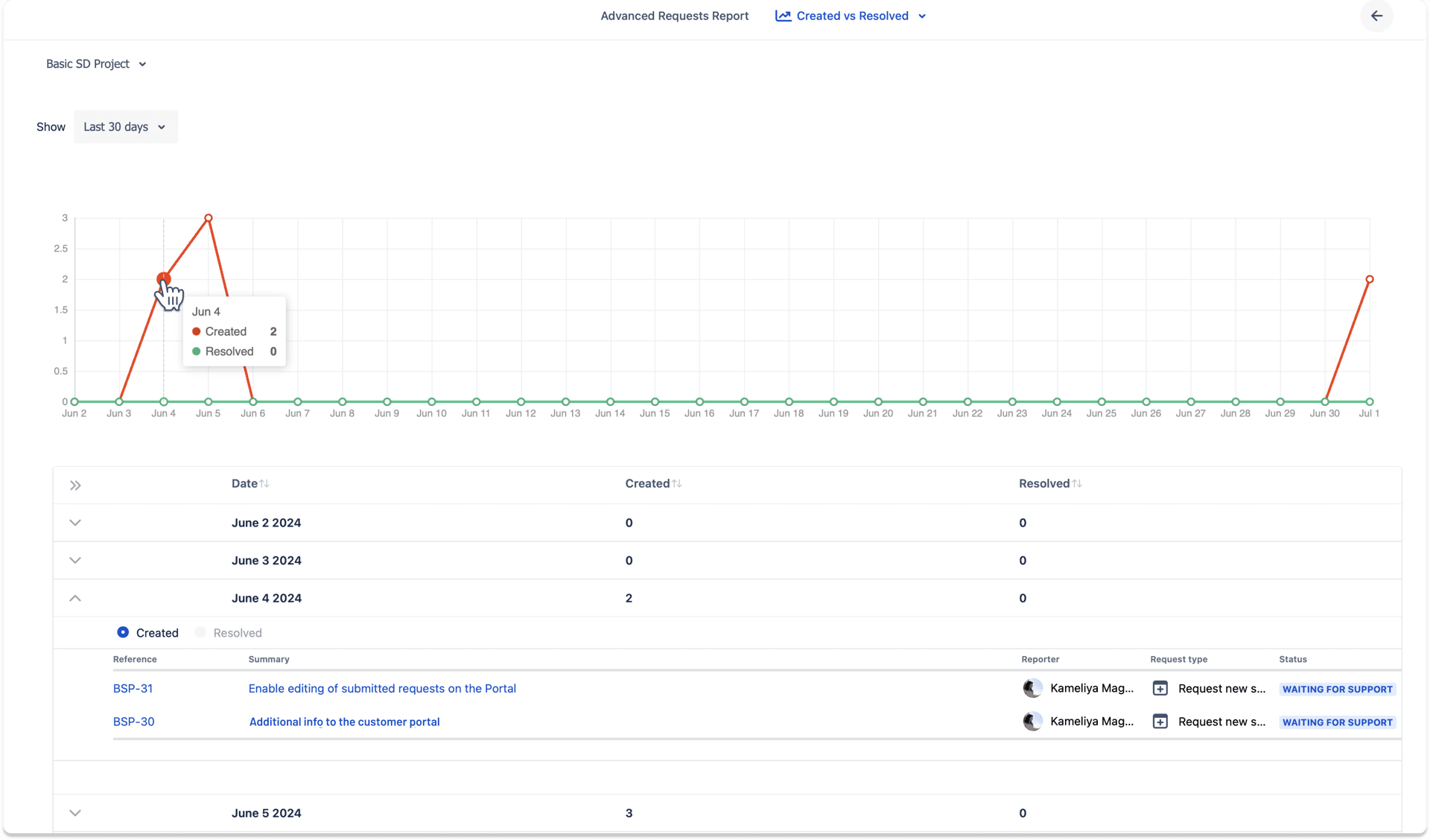
Comprehensive Data Visibility
Last Mile Bridge #3
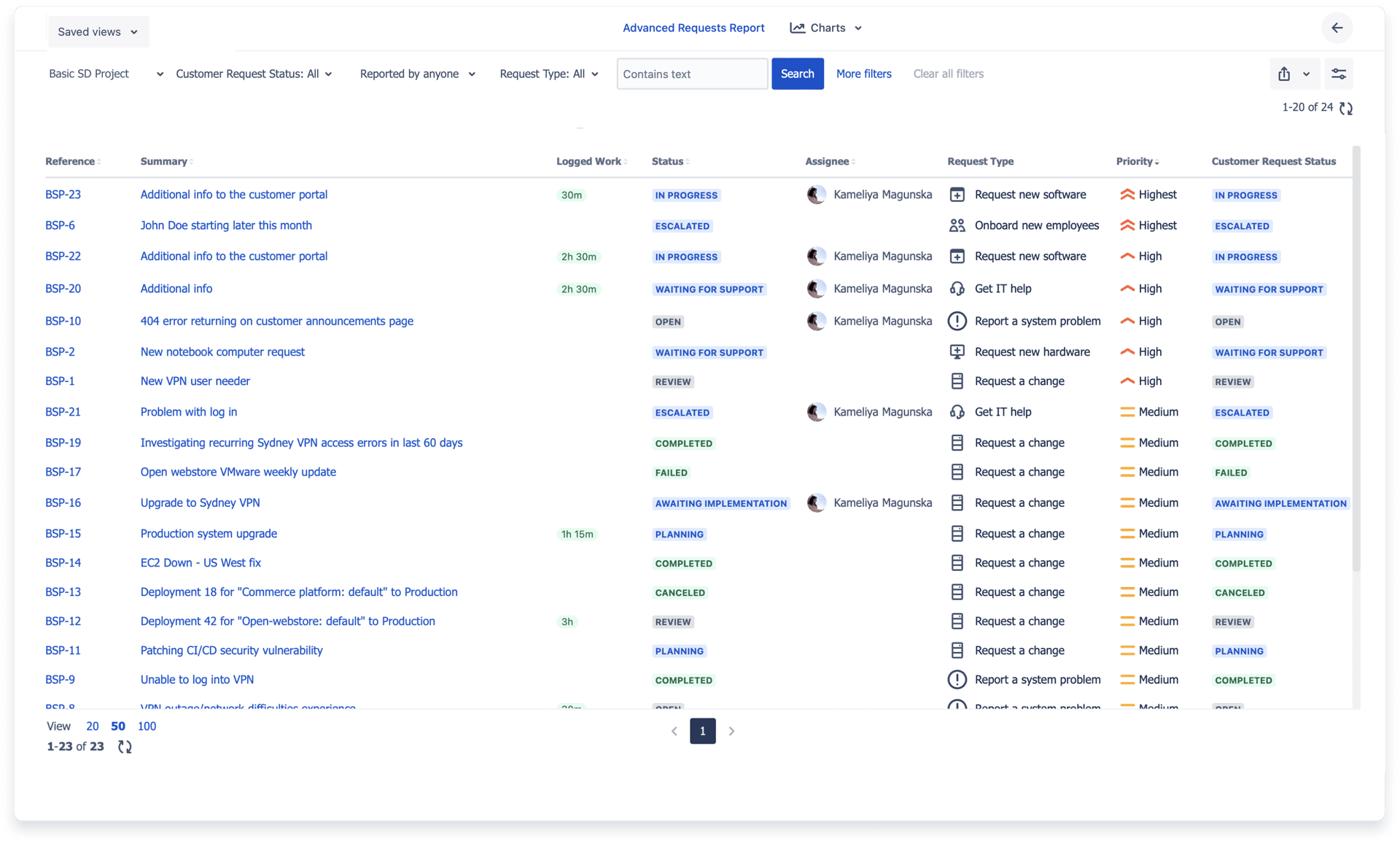
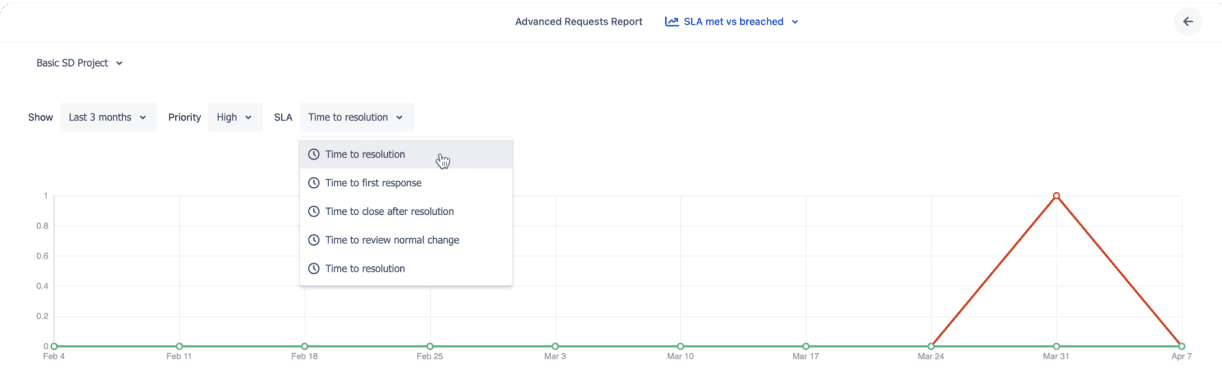
Advanced Reporting & Analytics
Last Mile Bridge #4
Self-Service Reporting
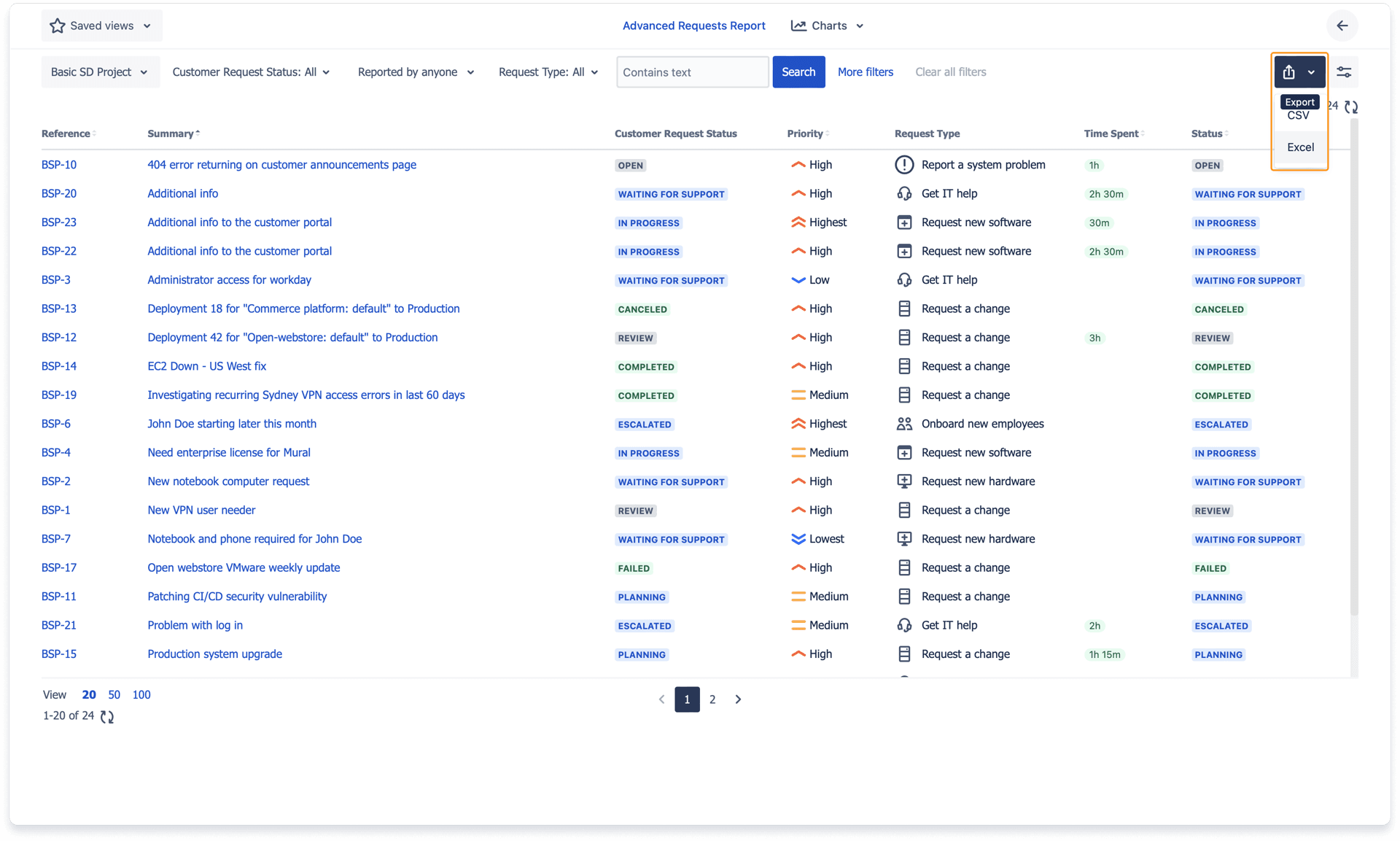

The bottom line is that apps like Advanced Portal Reports bridge JSM's operational data gap, transforming the post-submission experience into a comprehensive self-service reporting hub with rich insights that serve individual users, team operations, and business objectives simultaneously.
Chapter 6
Transform Your Missing Last Mile to Transparent Self-Service Today
Team-Level Request Tracking & Oversight
Get the Free Ebook
Learn about the missing last mile of self-service on the go with our free ebook, on the house.